
In furniture projects, acrylic is rarely the whole story. Its value is in how it combines with wood, metal, fabric, and lighting to create lighter-looking structures and cleaner visual lines.
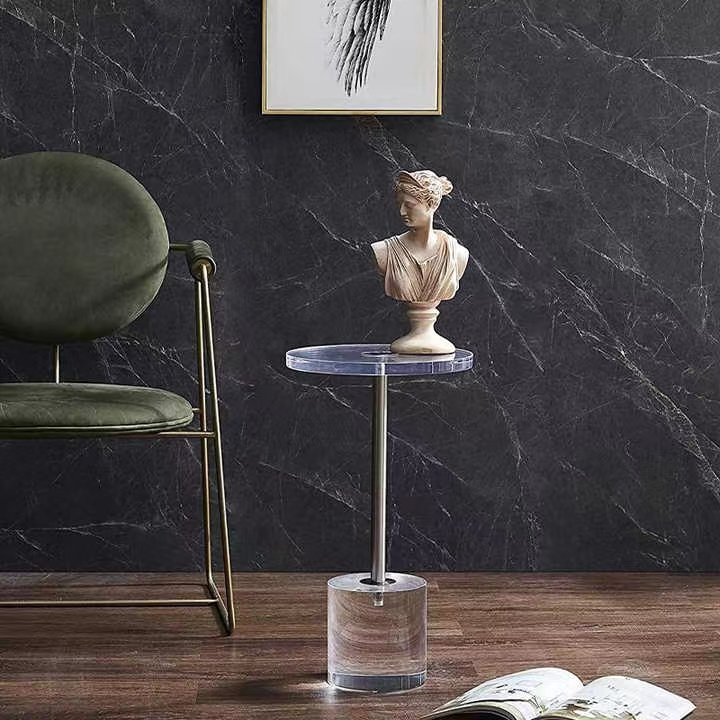
For premium residential interiors and hospitality environments, acrylic can be used as a visible design material or as a supporting structural component in selected areas.
Typical use cases
High-end furniture and commercial interior projects often use acrylic for:
- Accent tables and shelving components
- Display furniture in boutiques and showrooms
- Bar and hotel furniture details
- Chair, stool, or partition elements
- Protective panels that still preserve openness in the space
The material is especially useful when a project needs transparency, light reflection, or a floating visual effect.
Design considerations that affect quality
Furniture-grade acrylic work needs more attention than simple sheet cutting. Teams usually need to think through:
- Thickness selection based on span and load
- Joint visibility and edge finishing
- Surface durability in high-contact areas
- Compatibility with metal frames or wood structures
- Packing protection for polished faces during delivery
A premium result depends on restraint. Clear geometry, accurate fabrication, and good assembly details usually matter more than adding extra shapes.
Good fit for hospitality environments
Hotels, lounges, bars, and reception spaces often need furniture that feels distinctive but still practical to maintain. Acrylic components can help by:
- Keeping the space visually lighter
- Supporting branded display moments
- Working well with layered lighting
- Making small areas feel more open
When combined with the right finishes, acrylic can move from a purely functional material into a strong design asset.
Start from the environment, not just the sketch
The best custom furniture components are designed around real usage conditions. Traffic level, cleaning requirements, lighting, and handling all affect which acrylic solution is appropriate.
For a better production outcome, define the environment first, then choose the form, finish, and structural details around that use case.